Number fill‑in puzzles that can be printed and solved on a single sheet are gaining traction among seasoned hobbyists seeking a low‑tech way to unwind after a demanding project. The formats combine the simplicity of crosswords with the logical rigor of Sudoku, delivering a brief yet focused mental workout that eases tension without requiring digital devices or expensive supplies.
Why Experienced Hobbyists Choose Number Fill‑In Puzzles
For those accustomed to hands‑on crafts—model building, woodworking, or electronics—the appeal lies in a clear, self‑contained challenge that mirrors the step‑by‑step mindset already cultivated in their primary pursuits. The puzzles demand only a pen and the printed grid, eliminating distractions while still triggering the dopamine surge associated with problem solving. Compared with larger jigsaw or logic games, a single sheet can be completed in five to fifteen minutes, fitting neatly between project phases.
How Printable Formats Boost Accessibility
Print‑ready PDFs, often distributed as free downloads, allow hobbyists to tailor the experience to their environment. By selecting paper weight, orientation, or even scaling the grid, users can adapt the puzzle to a cramped workshop bench or a spacious tabletop. The absence of proprietary software also means the puzzles can be shared across platforms—Windows, macOS, or Linux—without compatibility concerns.
- Instant availability: A QR code on a workshop bulletin board can deliver a fresh sheet within seconds.
- Custom difficulty: Designers routinely provide three tiers—easy, medium, hard—so the same worksheet can evolve with the solver’s skill level.
- Low cost: Printing a pack of twenty puzzles typically costs under a dollar, dramatically cheaper than subscription‑based brain‑training apps.
Integrating Fill‑In Puzzles Into a Relaxation Routine
Seasoned makers often embed short mental breaks into their workflow. A structured approach ensures the pause is restorative rather than disruptive.
- Set a timer for 10 minutes before resuming the main project.
- Print a puzzle that matches the chosen difficulty level.
- Complete the grid, then review any errors for a quick confidence boost.
- Close the session with a brief deep‑breathing exercise, reinforcing the calm acquired during the solve.
This loop can be repeated multiple times a day, creating a rhythm that steadies focus and prevents burnout.
Potential Cognitive and Productivity Benefits
While the act of filling numbers is straightforward, research on similar low‑stakes puzzles suggests measurable gains in short‑term memory and pattern recognition. For hobbyists, these improvements translate into fewer mistakes during assembly or soldering, and a smoother transition between intricate steps. Moreover, the deliberate pause encourages a “micro‑mindfulness” state, which studies link to lower cortisol levels and heightened overall well‑being.
In practice, a woodworker who solves a printable number fill‑in before tackling a dovetail joint may notice a steadier hand and clearer layout planning, while a model‑airplane enthusiast might experience faster identification of mismatched components during a build. The cumulative effect can be a modest but consistent rise in project completion rates.
Understanding Welding Symbols - American Rotary
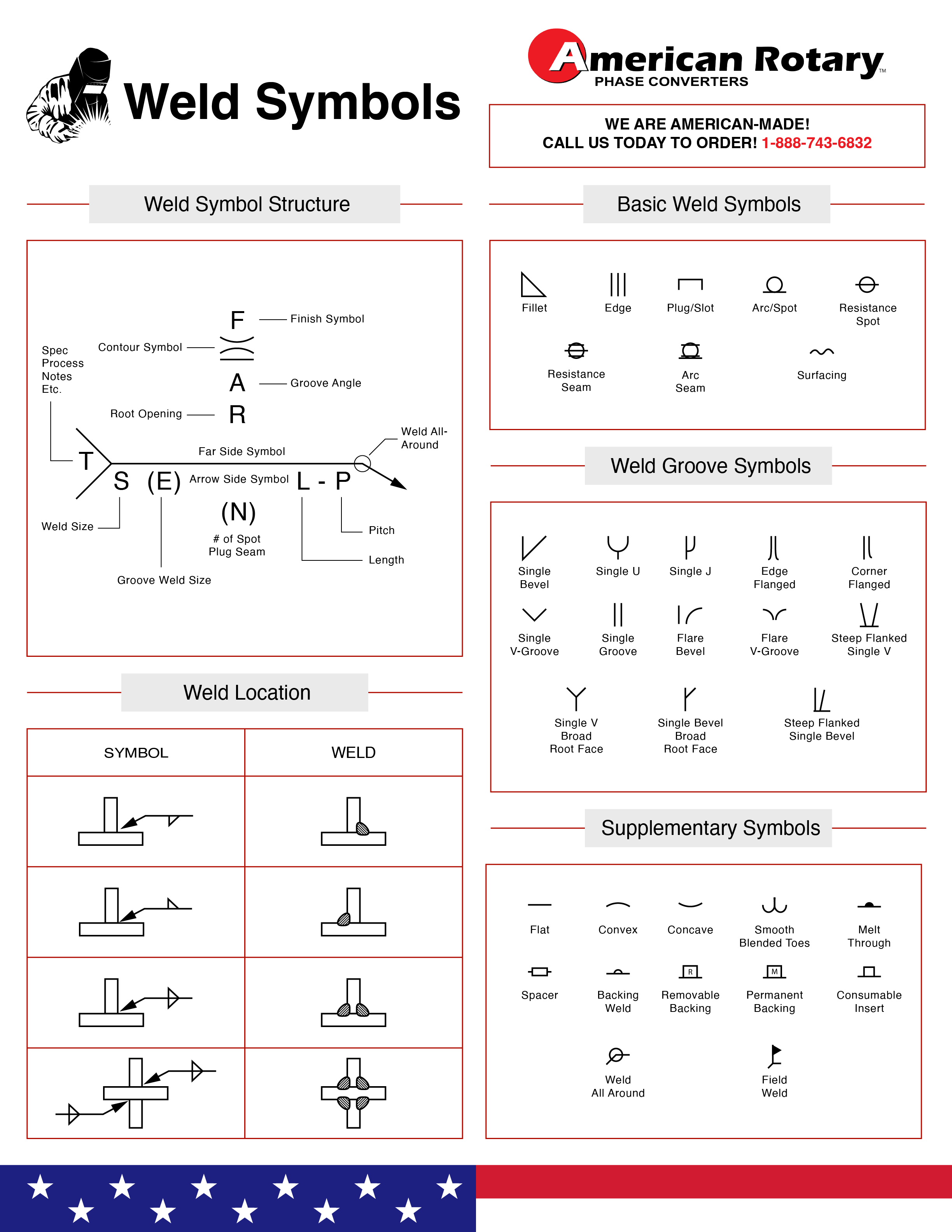
Understanding Welding Symbols - American Rotary
Printable Welding Symbols Chart
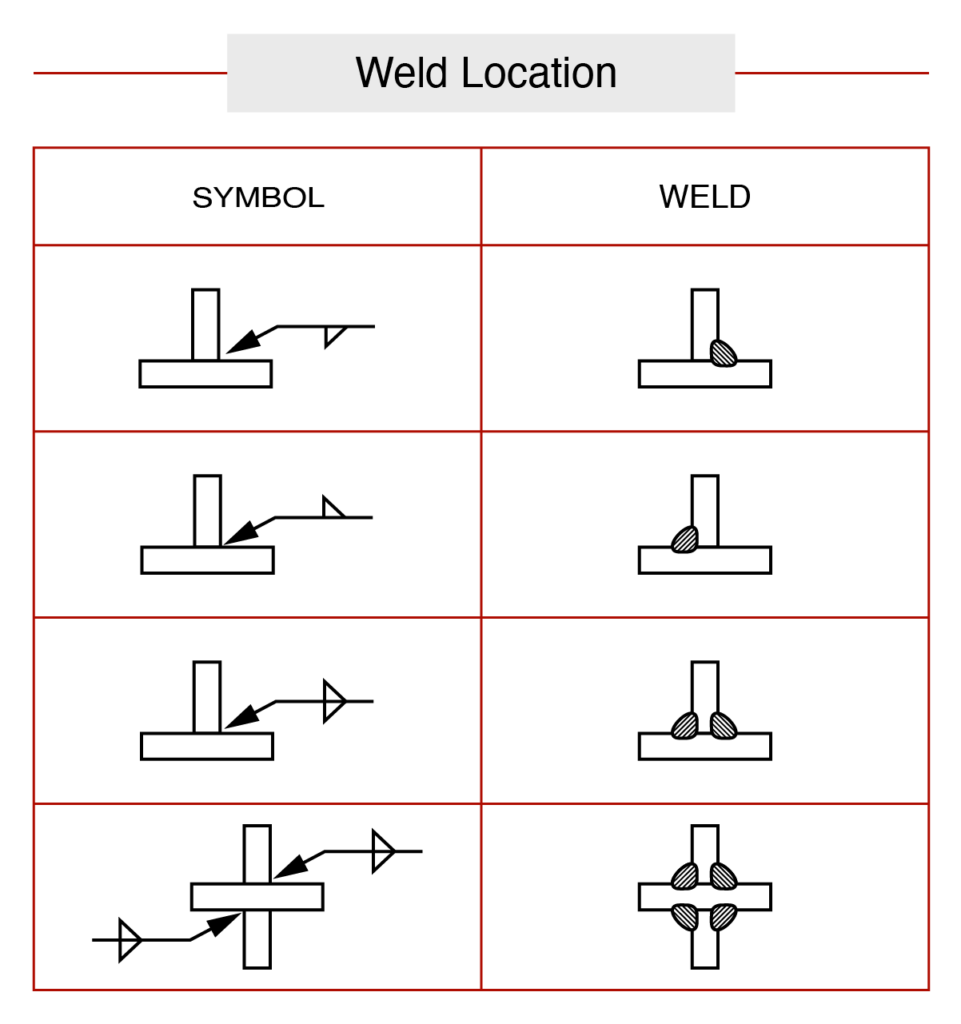
Printable Welding Symbols Chart
Printable Welding Symbols Chart
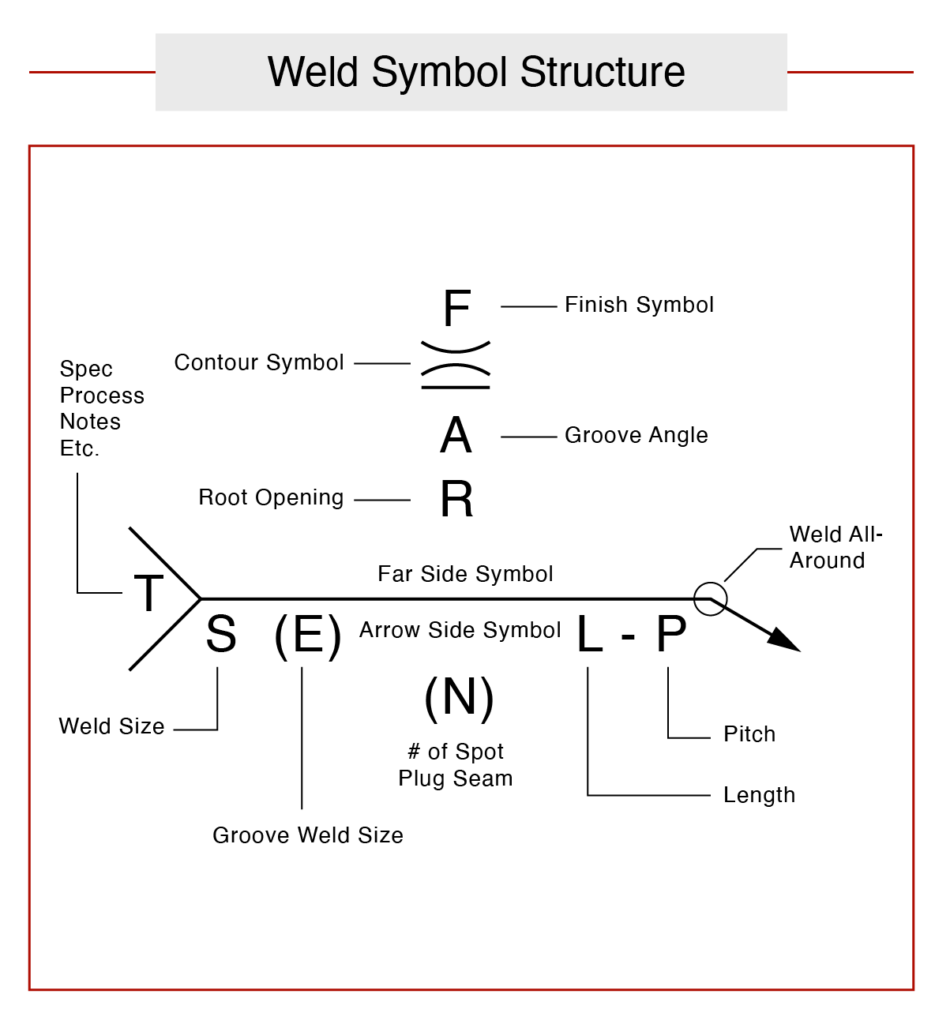
Printable Welding Symbols Chart