Fans of the classic cartoon “Jackie Chan Adventures” often treat the series’ 95‑episode run like a chemistry puzzle—each season and story arc offers a distinct “energy level” that can be mapped, organized, and compared. By borrowing concepts from crystal field theory, hobbyists can visualize the episode list as a structured lattice, making it easier to track plot development, character progression, and recurring motifs.
Why a Chemistry Lens Helps Organize the Series
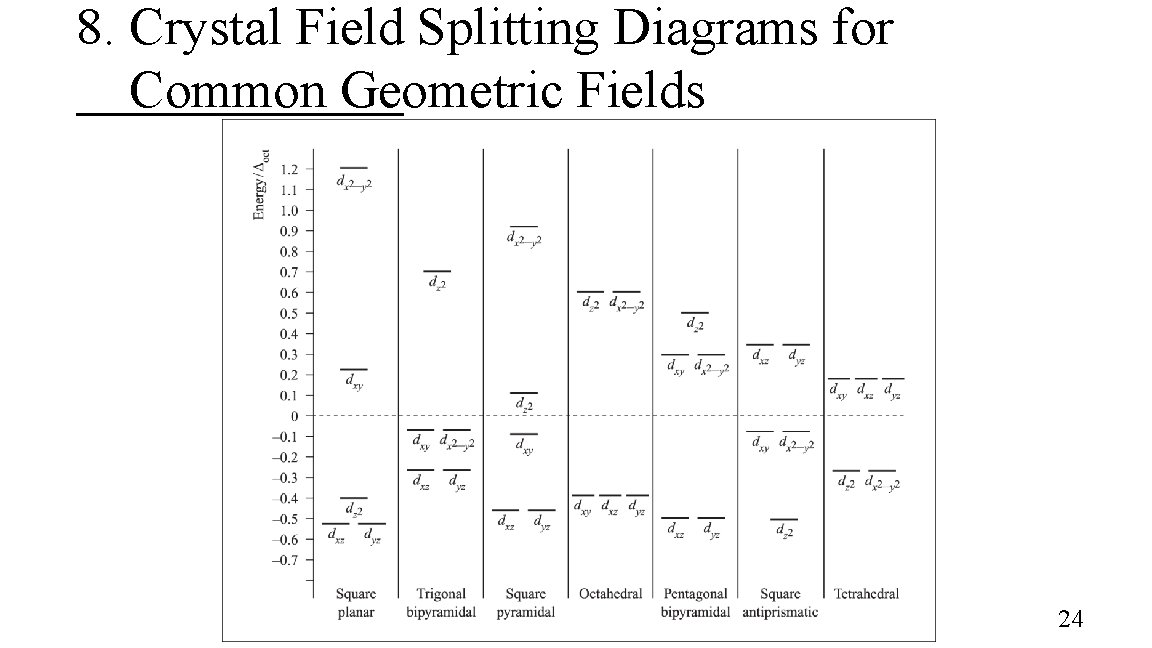
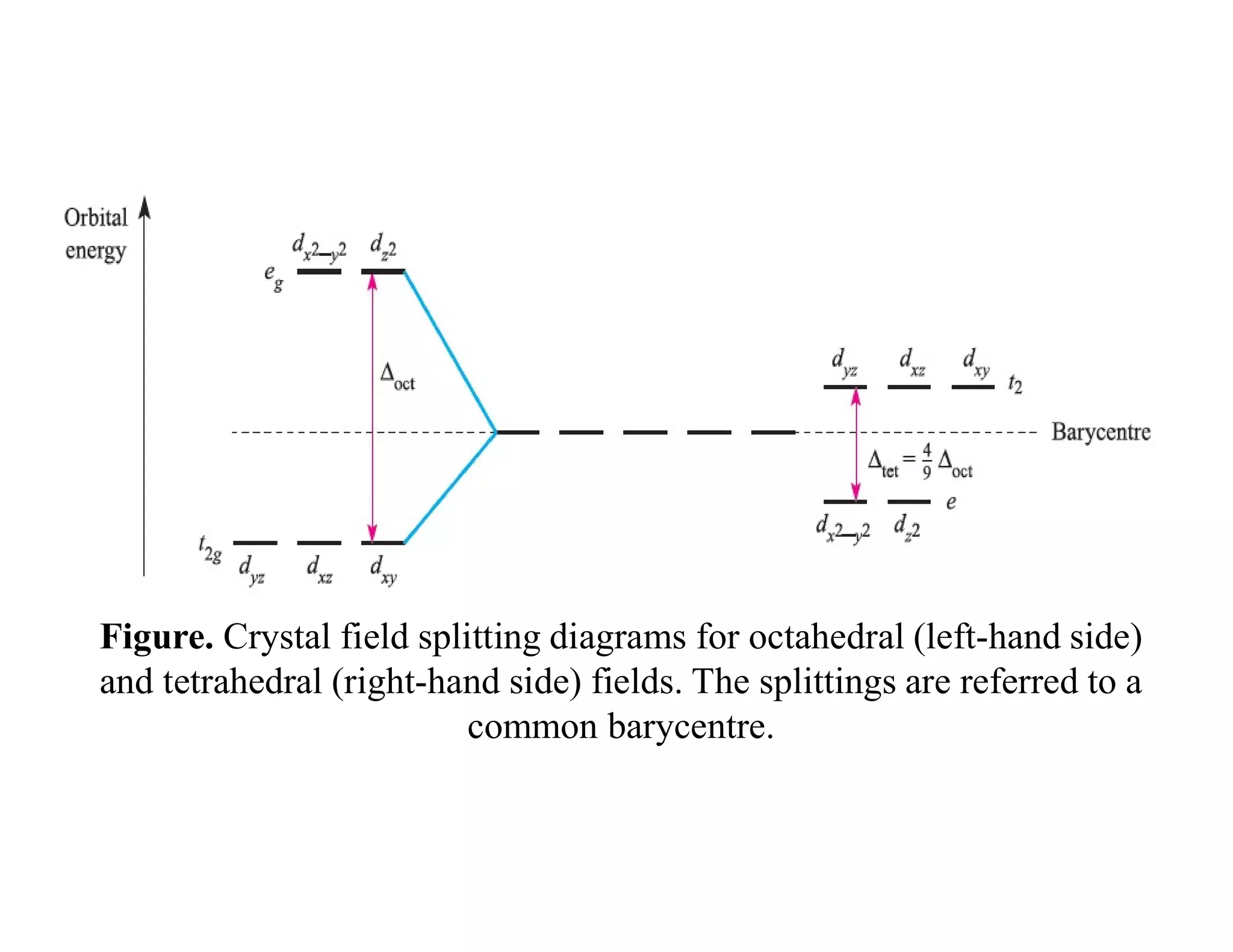
Crystal field theory (CFT) describes how transition‑metal ions interact with surrounding ligands, splitting electron energy levels into predictable patterns. Similarly, the show’s episodes split into thematic “ligands” such as mythology, martial arts, and tech‑gadgets, each influencing the narrative “central ion”—Jackie Chan himself. This analogy clarifies why certain episodes feel “high‑energy” (akin to eg g orbitals) while others serve as “ground states” that stabilize the storyline.
Mapping Seasons to Crystal Field Splitting
Season 1 (1997‑1998) parallels a weak‑field case: episodes introduce core characters—Jackie, Uncle, Jade, and Tohru—without heavy plot twists. The “t₂g” set manifests as recurring villains like the Dark Handbook, offering predictable challenges. Season 2 ramps up to a strong‑field scenario; the introduction of the Shadowkhan empire and the “magic mirrors” creates a noticeable split, much like eg orbitals rising in energy. Season 3, the final stretch, can be viewed as an intermediate field where story arcs converge, mirroring the final convergence of split orbitals before they return to a stable configuration.
Practical Benefits for the Experienced Hobbyist
- Quick Reference: By assigning episodes to “t₂g” or “eg” categories, collectors can instantly spot which installments carry major plot revelations versus filler content.
- Theme Grouping: Episodes sharing the same “ligand” (e.g., myth‑based quests) cluster together, making marathon viewing more coherent.
- Chronology Checks: The CFT model highlights where the series deviates from linear progression, useful for fans creating custom episode guides or remix videos.
Implications for Future Retro‑Series Analyses
Applying crystal field theory to television episode lists isn’t just a whimsical exercise; it establishes a reproducible framework for dissecting other serialized media. When a show’s narrative behaves like a transition‑metal complex, analysts can predict where tension will rise or fall based on the “ligand strength” of thematic elements. For “Jackie Chan Adventures,” this method confirms why the third season’s climax—the final battle with the Shadowkhan—feels like the resolution of an eg split, delivering a satisfying payoff after years of incremental buildup.
Whether you’re cataloguing DVDs, building a fan wiki, or simply re‑watching the series, viewing the “Jackie Chan Adventures episode list” through the lens of crystal field theory offers a fresh, systematic way to appreciate the show’s internal chemistry.
Crystal Field Theory | PDF

Crystal field theory | PDF
Understanding The Crystal Field Splitting Diagram: A Comprehensive Guide

Understanding the Crystal Field Splitting Diagram: A Comprehensive Guide
Drawing Crystal Field Diagram At Brian Braxton Blog

Drawing Crystal Field Diagram at Brian Braxton blog